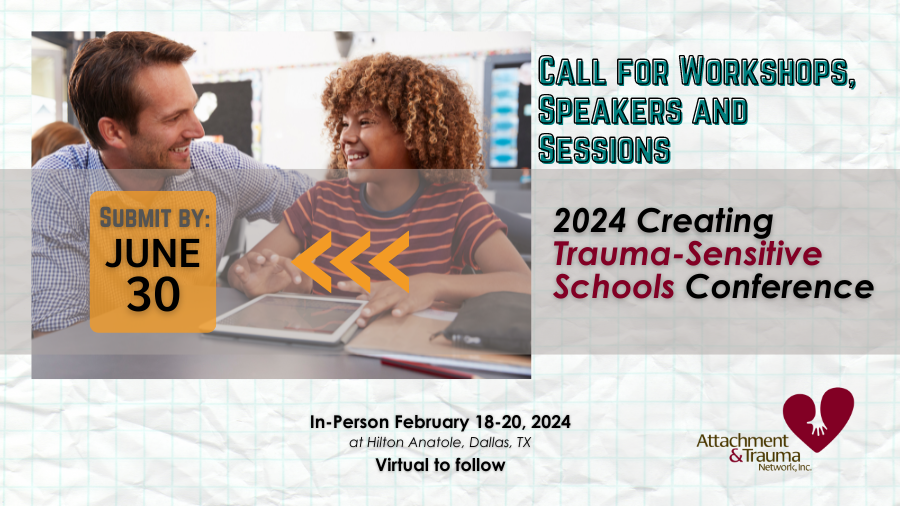
Thank you for the AMAZING interest in submitting a workshop for #TSS2024ATN. At this time our Call for Workshops is Closed.
Our TSS2024 Agenda should be announced mid- to late- August.
Watch this site next April for our call for workshop proposals for TSS2025.
#TSS2024ATN will have both an in-person and virtual portion to the conference, scheduled as follows:
The In-person portion of the conference will be from Sunday, Feb 18 – Tues, Feb 20, 2023. Pre-conference ½-day and full-day workshops will occur on Sunday, February 18, with 75-minute workshops occurring on Monday & Tuesday.
The Virtual Portion of the conference following later in that week – February 22 & 23. Again these workshops will be 75-minutes in length, with the possibility of a few doubled session times (2.5-hour sessions) available.
We are seeking two (2) types of submissions:
- 75-minute Workshops. The most common type of workshops cover a variety of aspects and topics as outlined below. Speakers must designate whether they’re proposing a workshop that is in-person, virtual or either venue. Each main presenter is limited to two proposal submissions. Each workshop is limited to two (2) presenters.
- ½-Day or Full-Day Pre-Conference Seminars. There are a limited number of pre-conference seminars available on Sunday, February 18, 2024 for either ½-day (3 hours) or full-day (6 hours). Six total pre-conference sessions will be selected.
Workshop Topic Areas:
We are especially interested in workshops that address these topics:
- Examples of trauma-informed, resilience-building programs/strategies in classrooms, schools and entire districts that have been implemented and show improved outcomes.
- Examples of trauma-informed, resilience-building programs/strategies that have been implemented and show improved outcomes in child-serving organizations such as after-school programs, youth activities, faith communities, sporting programs and community services.
- Developing, implementing and assessing innovative teaching strategies and successful academic programs that meet students’ needs in a trauma-informed, resilience-building way.
- Programming and activities that improve academic, social, and emotional outcomes for children with complex and Developmental Trauma.
- Programming and activities that improve academic, social, and emotional outcomes for children impacted by historic and generational trauma.
- Trauma-sensitive and attachment-focused, research-informed interventions and tools that can be implemented in a school or community setting.
- Strategies for leading system-wide or community initiatives, and implementing policy changes.
- Creating trauma-sensitive community partnerships and involving parents, families and other stakeholders.
- Developing and implementing diversity, equity and cultural competency– school programs and systems that meet the needs of a diverse student body, including different cultures, races, genders, gender orientations and abilities.
- Teacher (Employee) Care/Staff Wellness – the importance of and strategies for caring for the adults working daily with traumatized children.